
Andy Burnham became Prime Minister on 20 July 2026, having entered Number 10 unopposed, and in a surprise move appointed John Healey, previously defence secretary, as Chancellor of the Exchequer. The earliest realistic date for the Autumn Budget is Wednesday 28 October 2026, with a Wednesday in November considered more likely. With the date itself still unconfirmed and the leadership change, forecasting is more difficult than usual
However, the second half of 2026 is likely to represent an important period for UK businesses as the Government begins setting out its economic priorities ahead of the Autumn Budget.
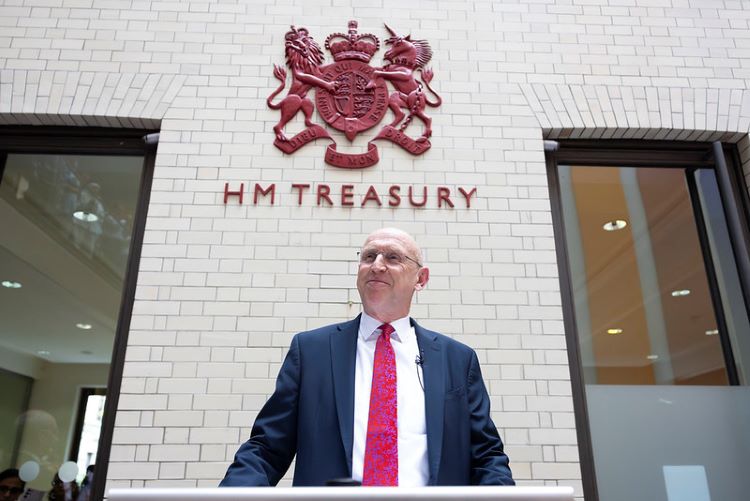
| New Chancellor John Healey addresses HMT staff. Treasury. Picture by Kirsty O’Connor / Treasury. |
The second half of 2026 represents an important period for UK businesses as the Government begins setting out its economic priorities ahead of the Autumn Budget.
While businesses will naturally be watching for potential tax announcements, the wider focus is expected to be on economic growth, investment, productivity and creating the conditions for businesses to expand.
For many companies, especially SMEs, the key question is not simply “What taxes might change?” but rather “What environment will businesses be operating in over the next few years?”
Recent years have demonstrated that businesses need stability, clear information and the ability to adapt quickly. Rising costs, changing employment regulations, technological disruption and global uncertainty have all influenced business decisions.
The Government’s challenge is to encourage growth while maintaining control over public finances.
Growth, Investment and Productivity
One of the strongest themes emerging from Government announcements is the importance of improving productivity.
The UK has faced a long-standing productivity challenge, with businesses often producing less output per worker compared with some international competitors.
Improving productivity is expected to remain a central economic priority, particularly through:
- Digital transformation
- Artificial intelligence adoption
- Skills development
- Business investment
- Infrastructure improvements
For SMEs, this could create opportunities to invest in technology and improve operational efficiency.
However, businesses will need to ensure investment decisions are commercially justified and aligned with long-term objectives.
What Businesses Should Watch in the Autumn Budget
Although specific announcements cannot be predicted, businesses should monitor several key areas.
Tax Reliefs and Investment Incentives
Many businesses rely on allowances and reliefs when making investment decisions.
Potential changes affecting:
- Capital allowances
- Research and development incentives
- Business investment support
could influence whether companies choose to invest, delay expenditure or restructure plans.
Employment Costs
Employment remains one of the biggest costs facing many organisations.
Businesses should continue monitoring:
- National Living Wage changes
- Employer National Insurance costs
- Employment regulation changes
Companies should ensure workforce planning reflects potential changes rather than reacting after announcements are made.
Support for Business Growth
The Government has continued to highlight the importance of supporting entrepreneurs and growing businesses.
Possible areas of focus include:
- Access to finance
- Export support
- Innovation funding
- Regional investment
Preparing Before the Budget
Businesses should avoid waiting until Budget Day before reviewing their position.
Practical steps include:
Review Cash Flow
Understanding future cash requirements is essential.
Businesses should consider:
- Planned investments
- Tax liabilities
- Recruitment costs
- Financing requirements
Review Business Plans
Directors should revisit their growth plans and consider whether economic changes could affect:
- Expansion decisions
- Pricing strategies
- Staffing requirements
Maintain Accurate Financial Information
Good decision-making depends on reliable information.
Businesses with accurate financial records can respond more effectively when Government announcements are made.
Looking Ahead
The Autumn Budget will provide important signals about the direction of the UK economy.
However, successful businesses will not simply wait for Government decisions. They will continue improving efficiency, investing carefully and preparing for change.
The strongest organisations are usually those that combine good financial management with the ability to adapt quickly.
For business owners, the message is clear: preparation remains one of the most effective strategies for managing uncertainty.