
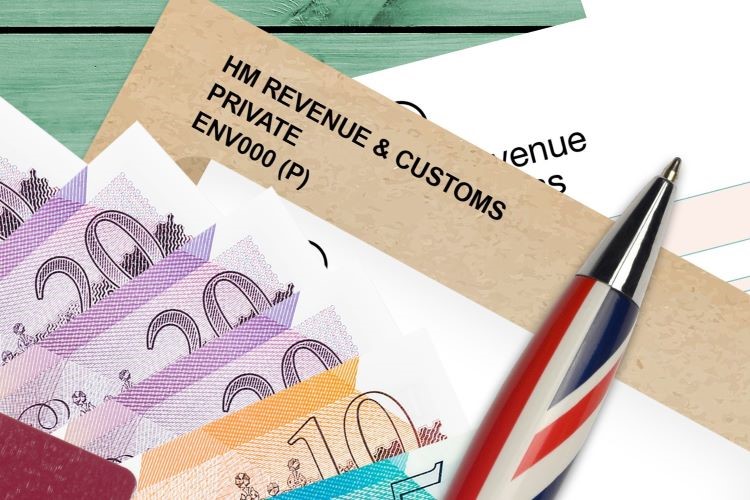
HMRC has confirmed that statutory interest rates for late payment and repayment are reducing in August following the Bank of England’s base-rate cut. The change bites on 18 August 2025 for quarterly instalment payments and 27 August 2025 for non-quarterly payments.
If your business has time-to-pay arrangements, upcoming liabilities or historic arrears, this directly affects your cost of finance and your cash-flow planning. GOV.UK
The backdrop is monetary easing: the Bank of England lowered Bank Rate to 4% in early August, noting that inflation pressures have moderated compared with the 2022–23 peak, even though risks persist. The Bank reiterates that the path downwards will likely be gradual. For businesses, that means “higher-than-pre-Covid but lower-than-2023” borrowing costs for a while yet.
What changes, practically?
HMRC pegs its late-payment and repayment interest to the base rate. When Bank Rate moves, HMRC updates its rates shortly afterwards, with fixed “effective from” dates. This matters because HMRC interest is not discretionary—you accrue it automatically on late VAT, PAYE/NIC, Corporation Tax and Self Assessment liabilities. Lower interest softens the cost of delay, but it doesn’t remove penalties or surcharges, and HMRC expects you to engage early if you can’t pay on time.
Action steps for September:
First, review any live time-to-pay (TTP) plan. A lower rate may shave cost from the remaining schedule; check whether re-profiling payments could release working capital without extending risk. Second, revisit your tax calendar—particularly VAT returns falling in September/October and Corporation Tax quarterly instalments—so you’re not paying interest unnecessarily because of avoidable admin delays. Third, compare HMRC’s interest rate to your alternative finance costs: in some cases, an overdraft may still be cheaper (or not), but don’t forget HMRC penalties are separate from interest.
Watch the inflation releases.
The ONS reported CPI inflation of 3.6% in June 2025, up from 3.4% in May. While single-month movements shouldn’t be over-interpreted, the Bank is watching wages and services inflation closely. The ONS calendar shows the August 2025 CPI release lands 17 September, and fresh data could shape market expectations for the BoE’s next steps. For financial controllers, that’s a cue to keep scenarios live for rate-sensitive costs (leases, variable-rate loans) and to revisit treasury policies.
What your accountant can help with:
Optimising payment timing across VAT, PAYE and CT; stress-testing cash-flow with updated interest assumptions; and reviewing whether accelerated loss reliefs, capital allowances, or R&D claims can reduce near-term liabilities. If arrears exist, proactive engagement with HMRC almost always yields better outcomes than silence.
Bottom line:
Lower HMRC interest takes a little heat out of late tax, but the better strategy remains on-time filing and payment. Use September to tighten your calendar, refresh forecasts with the new rate, and reduce accidental interest creep.
Book a 20-minute Tax Calendar & Cash-Flow Review to minimise HMRC interest and penalties this quarter.
payment and repayment are reducing in August following the Bank of England’s base-rate cut. The change bites on 18 August 2025 for quarterly instalment payments and 27 August 2025 for non-quarterly payments.
If your business has time-to-pay arrangements, upcoming liabilities or historic arrears, this directly affects your cost of finance and your cash-flow planning. GOV.UK
The backdrop is monetary easing: the Bank of England lowered Bank Rate to 4% in early August, noting that inflation pressures have moderated compared with the 2022–23 peak, even though risks persist. The Bank reiterates that the path downwards will likely be gradual. For businesses, that means “higher-than-pre-Covid but lower-than-2023” borrowing costs for a while yet.
What changes, practically?
HMRC pegs its late-payment and repayment interest to the base rate. When Bank Rate moves, HMRC updates its rates shortly afterwards, with fixed “effective from” dates. This matters because HMRC interest is not discretionary—you accrue it automatically on late VAT, PAYE/NIC, Corporation Tax and Self Assessment liabilities. Lower interest softens the cost of delay, but it doesn’t remove penalties or surcharges, and HMRC expects you to engage early if you can’t pay on time.
Action steps for September:
First, review any live time-to-pay (TTP) plan. A lower rate may shave cost from the remaining schedule; check whether re-profiling payments could release working capital without extending risk. Second, revisit your tax calendar—particularly VAT returns falling in September/October and Corporation Tax quarterly instalments—so you’re not paying interest unnecessarily because of avoidable admin delays. Third, compare HMRC’s interest rate to your alternative finance costs: in some cases, an overdraft may still be cheaper (or not), but don’t forget HMRC penalties are separate from interest.
Watch the inflation releases.
The ONS reported CPI inflation of 3.6% in June 2025, up from 3.4% in May. While single-month movements shouldn’t be over-interpreted, the Bank is watching wages and services inflation closely. The ONS calendar shows the August 2025 CPI release lands 17 September, and fresh data could shape market expectations for the BoE’s next steps. For financial controllers, that’s a cue to keep scenarios live for rate-sensitive costs (leases, variable-rate loans) and to revisit treasury policies.
What your accountant can help with:
Optimising payment timing across VAT, PAYE and CT; stress-testing cash-flow with updated interest assumptions; and reviewing whether accelerated loss reliefs, capital allowances, or R&D claims can reduce near-term liabilities. If arrears exist, proactive engagement with HMRC almost always yields better outcomes than silence.
Bottom line:
Lower HMRC interest takes a little heat out of late tax, but the better strategy remains on-time filing and payment. Use September to tighten your calendar, refresh forecasts with the new rate, and reduce accidental interest creep.
Book a 20-minute Tax Calendar & Cash-Flow Review to minimise HMRC interest and penalties this quarter.
payment and repayment are reducing in August following the Bank of England’s base-rate cut. The change bites on 18 August 2025 for quarterly instalment payments and 27 August 2025 for non-quarterly payments.
If your business has time-to-pay arrangements, upcoming liabilities or historic arrears, this directly affects your cost of finance and your cash-flow planning. GOV.UK
The backdrop is monetary easing: the Bank of England lowered Bank Rate to 4% in early August, noting that inflation pressures have moderated compared with the 2022–23 peak, even though risks persist. The Bank reiterates that the path downwards will likely be gradual. For businesses, that means “higher-than-pre-Covid but lower-than-2023” borrowing costs for a while yet.
What changes, practically?
HMRC pegs its late-payment and repayment interest to the base rate. When Bank Rate moves, HMRC updates its rates shortly afterwards, with fixed “effective from” dates. This matters because HMRC interest is not discretionary—you accrue it automatically on late VAT, PAYE/NIC, Corporation Tax and Self Assessment liabilities. Lower interest softens the cost of delay, but it doesn’t remove penalties or surcharges, and HMRC expects you to engage early if you can’t pay on time.
Action steps for September:
First, review any live time-to-pay (TTP) plan. A lower rate may shave cost from the remaining schedule; check whether re-profiling payments could release working capital without extending risk. Second, revisit your tax calendar—particularly VAT returns falling in September/October and Corporation Tax quarterly instalments—so you’re not paying interest unnecessarily because of avoidable admin delays. Third, compare HMRC’s interest rate to your alternative finance costs: in some cases, an overdraft may still be cheaper (or not), but don’t forget HMRC penalties are separate from interest.
Watch the inflation releases.
The ONS reported CPI inflation of 3.6% in June 2025, up from 3.4% in May. While single-month movements shouldn’t be over-interpreted, the Bank is watching wages and services inflation closely. The ONS calendar shows the August 2025 CPI release lands 17 September, and fresh data could shape market expectations for the BoE’s next steps. For financial controllers, that’s a cue to keep scenarios live for rate-sensitive costs (leases, variable-rate loans) and to revisit treasury policies.
What your accountant can help with:
Optimising payment timing across VAT, PAYE and CT; stress-testing cash-flow with updated interest assumptions; and reviewing whether accelerated loss reliefs, capital allowances, or R&D claims can reduce near-term liabilities. If arrears exist, proactive engagement with HMRC almost always yields better outcomes than silence.
Bottom line:
Lower HMRC interest takes a little heat out of late tax, but the better strategy remains on-time filing and payment. Use September to tighten your calendar, refresh forecasts with the new rate, and reduce accidental interest creep.
Book a 20-minute Tax Calendar & Cash-Flow Review to minimise HMRC interest and penalties this quarter.